Buying a computer should not feel like guesswork. If you have ever ended up with a machine that is too slow, too expensive, or packed with features you will never use, custom built computers make a lot more sense. Instead of paying for a one-size-fits-all system, you get a computer designed around how you actually work, study, create, or run your business.
For many people across Caboolture, Moreton Bay and surrounding areas, that difference matters more than ever. A home user might want a reliable family PC for email, browsing, schoolwork and photo storage. A small business might need dependable office machines that start quickly, run business software properly and stay stable day after day. In both cases, the right computer is not always the most expensive one. It is the one that suits the job.
Why custom built computers are worth considering
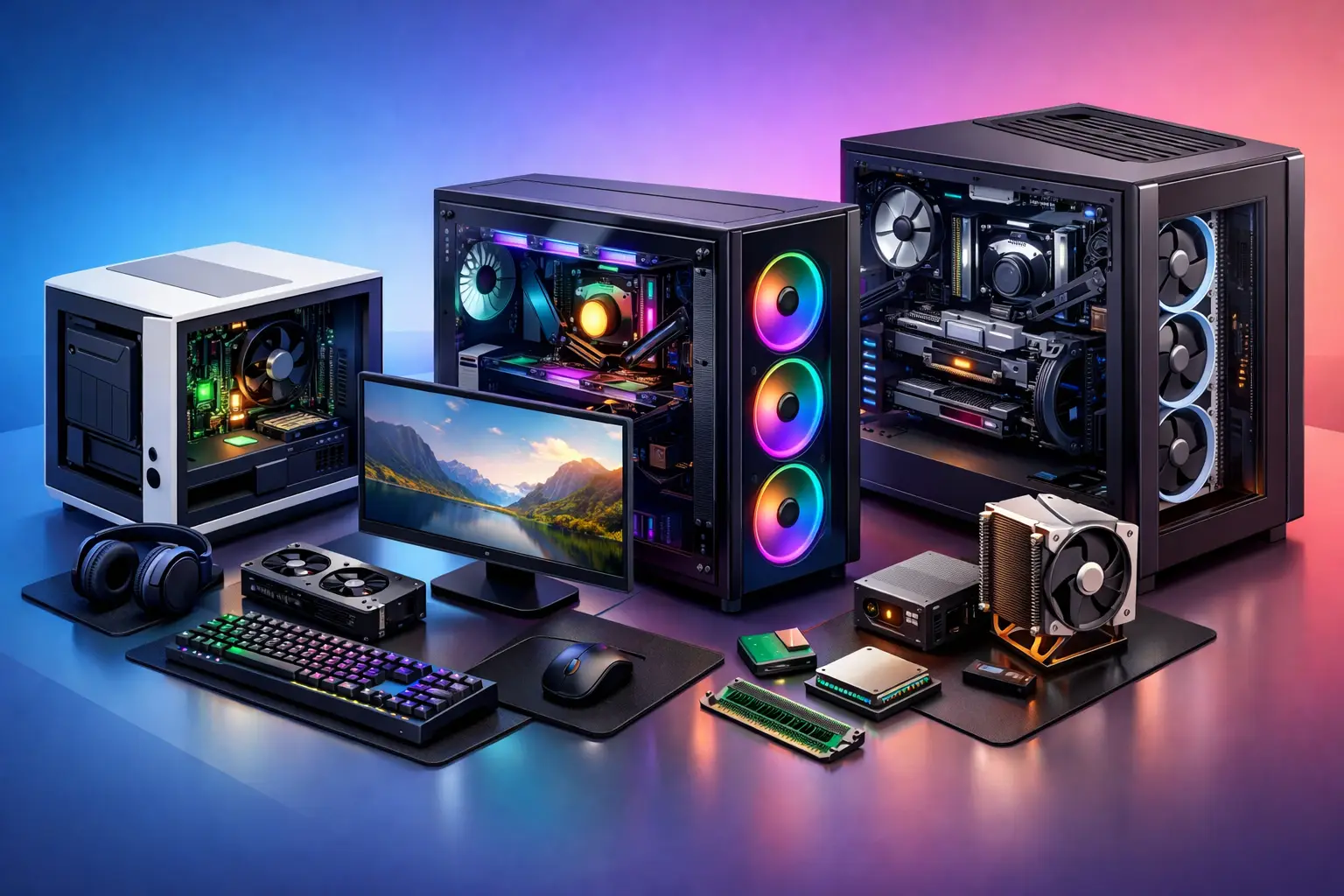
A custom build gives you control over the parts that affect everyday performance. That includes the processor, memory, storage, graphics capability, power supply and case size. More importantly, it helps avoid the common problem of paying for hardware that sounds impressive on a shop shelf but does not match your real needs.
That does not mean every person needs a high-end machine. In fact, many customers are better served by a practical, balanced system than by the latest premium model. If your main tasks are internet banking, streaming, documents and video calls, you probably do not need advanced graphics or an oversized power supply. On the other hand, if you edit photos, manage large spreadsheets, run design software or keep dozens of browser tabs open all day, a better processor and extra memory can make a noticeable difference.
This is where custom built computers stand out. They are built for purpose. You are not choosing between only two or three boxed options. You are choosing a computer that matches your workload, your budget and your expectations for reliability.
A better fit for home users
At home, computer needs vary more than people expect. One household may need a simple desktop for bills, school assignments and online shopping. Another may want a shared family computer with enough storage for years of photos and documents. Some people work from home a few days a week and need business-like reliability without turning the spare room into a full office setup.
A custom computer can be tailored to that kind of day-to-day use. Quiet operation, fast startup times and enough storage are often more valuable than flashy specifications. If the computer will sit in a living area or home office, case size and noise level also matter. These practical details are easy to overlook when buying off the shelf.
The other benefit is longevity. A well-chosen custom system can remain useful for years because it starts with the right foundation. It may also be easier to upgrade later if your needs change. Adding more storage or memory is much simpler when the original build has been planned properly from the beginning.
Custom built computers for small business
For small business owners, the biggest issue is usually not speed alone. It is downtime. When a computer is slow, unreliable or poorly matched to your software, it wastes time every single day. That lost time adds up quickly, especially when staff are waiting on files, invoices, email or cloud systems.
Custom built computers can be configured to suit the way a business actually operates. A front desk machine has different needs from an accounts computer. A workshop office may need a tough, practical setup that handles quoting, inventory and supplier systems. A home-based business may need a powerful but tidy workstation that supports remote meetings, bookkeeping and document management.
There is also value in consistency. When multiple machines are built to similar standards, support and maintenance become easier. Problems are easier to diagnose, upgrades are easier to plan and staff get a more predictable experience across the business.
What matters most in a custom build
The best build starts with questions, not parts lists. What will the computer be used for most of the time? How many people will use it? Do you need it to multitask heavily, store large files, run specific software, or stay on all day in a business setting?
Processor choice affects how responsive the machine feels, especially when running several tasks at once. Memory helps with smooth multitasking and is often one of the most important upgrades for office users. Solid state storage makes a major difference to startup speed and general performance. Graphics capability matters for gaming, design work and certain specialist software, but it is not essential for every user.
Then there are the less obvious parts that still matter. A quality power supply helps with long-term stability. Good cooling reduces heat and noise. A suitable case makes the system easier to maintain. These are not glamorous selling points, but they often make the difference between a computer that keeps going and one that causes frustration.
Off-the-shelf versus custom built computers
Off-the-shelf computers do have their place. If you need something immediately and your needs are very basic, a standard model can be enough. For some buyers, convenience is the main priority.
But there are trade-offs. Retail systems are often built to hit a price point or promote a headline feature. You might get a decent processor but too little memory. You might get plenty of storage but a slow drive. You may also find limited upgrade options later on.
Custom built computers usually offer better balance. Instead of being designed for a mass market, they are put together around the tasks that matter to you. That often means better value over time, even if the upfront price is not the absolute cheapest option on paper.
The value of local advice and setup
Choosing the right computer is only part of the job. Setup, data transfer, software installation and making sure everything works as expected are just as important. For many people, that is the part that causes the most stress.
Local support makes a real difference here. Having someone explain your options clearly, help you move files across, connect printers, configure email and sort out the little issues can save hours of frustration. It is especially helpful for customers who do not want the hassle of packing up equipment and taking it into a shop.
That is why a service-led approach matters. A computer should arrive ready to use, not as another problem to solve. For homes and small businesses, practical support is often just as valuable as the hardware itself. That is a big part of what makes tailored service from a local provider such as AllTec Computer Services appealing.
When a custom build is the right choice
Not everyone needs a bespoke machine, but plenty of people benefit from one. If you have had repeated issues with slow performance, if your current computer never quite suited your work, or if you want a system that can be built around a specific budget, custom is worth considering.
It also makes sense when you need a machine for a specialised role. That could be a business workstation, a home office setup, a family desktop, or a performance system for creative software. The point is not to overcomplicate things. It is to get the right machine without wasting money on the wrong one.
There is always a balance between cost, performance and future upgrades. Some customers want the best value for everyday use. Others prefer to spend a little more now so the system lasts longer. Neither approach is wrong. The right answer depends on how you use the computer and what problems you want it to solve.
A smarter way to buy a computer
A good computer should feel straightforward. It should start quickly, run reliably and suit the way you actually use it. That sounds simple, but it is exactly what many off-the-shelf machines fail to deliver.
Custom built computers offer a more practical option. They give home users and small businesses the chance to buy with purpose rather than guesswork. When the build is planned properly, you end up with a system that is easier to live with, easier to support and better value over the long term.
If you are replacing an ageing machine or setting up a new workspace, it helps to think less about flashy specs and more about fit. The best computer is usually not the one with the biggest sales pitch. It is the one that quietly gets on with the job, day after day.